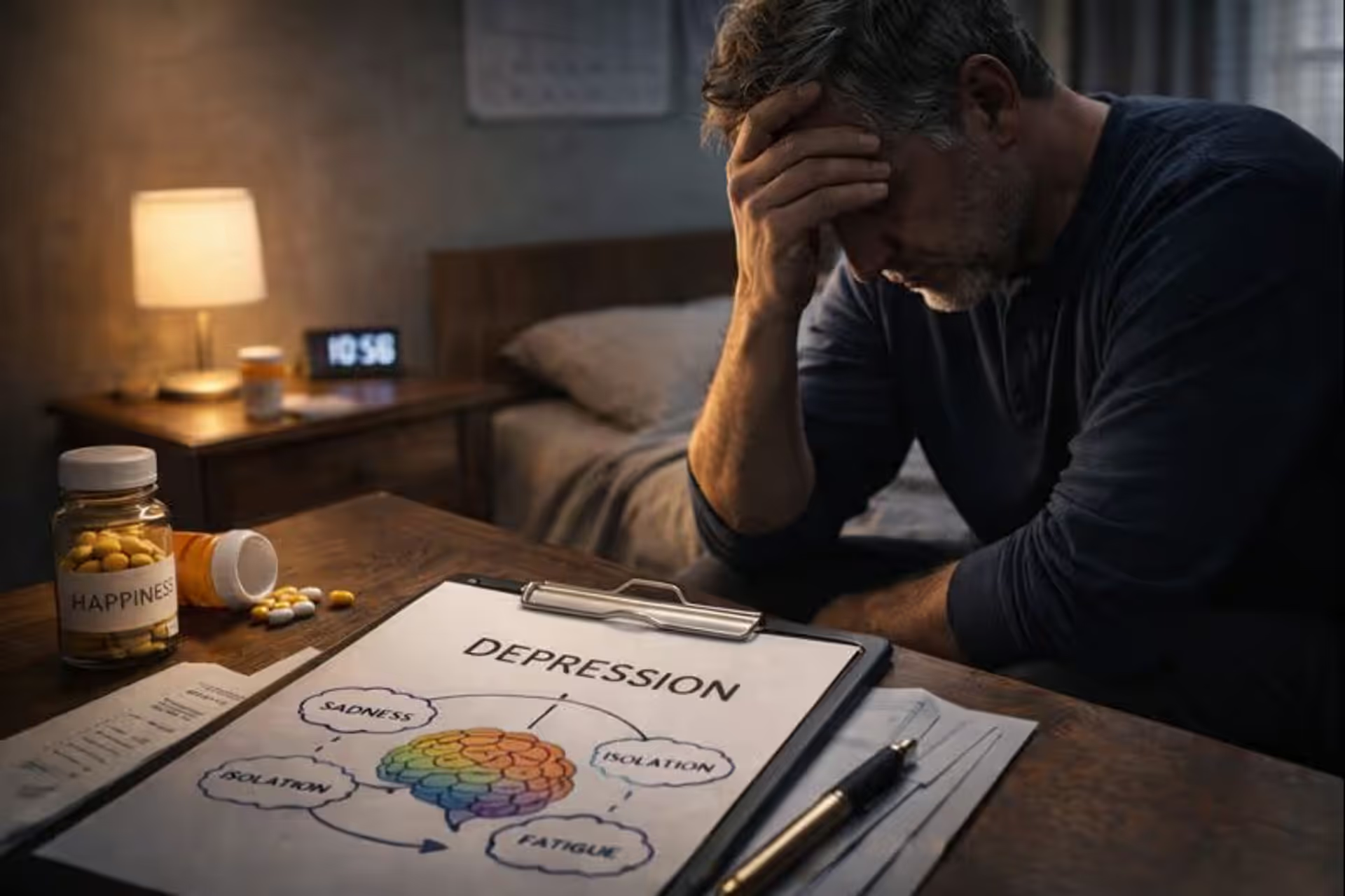
Depression

Brain stuck on negative thoughts
Why Negative Thoughts Stick Longer?
Sep 19, 2024
|
36 MIN
|
ANXIETY
Ever wondered why one critical comment outweighs dozens of compliments? It's your brain's negativity bias — an ancient survival mechanism that makes negative experiences stick like Velcro while positive ones slide off like Teflon. This in-depth guide explores the neuroscience behind this bias, how cognitive distortions like catastrophizing and black-and-white thinking amplify negativity, why rumination traps you in loops of painful thoughts, and how negative thinking damages relationships. Most importantly, discover evidence-based strategies to break free: mindfulness, CBT techniques, gratitude practice, self-compassion, and how neuroplasticity lets you literally rewire your brain for greater balance and resilience.

Read more

Top Stories

How Childhood Trauma Causes Adult Depression
How Childhood Trauma Causes Adult Depression?
Oct 04, 2024
|
23 MIN
|
MOOD
Unresolved childhood wounds — neglect, abuse, emotional invalidation, conditional love — don't disappear with age. They rewire the developing brain, create negative core beliefs like «I am unlovable,» and resurface in adulthood as depression, anxiety, and self-sabotage. This comprehensive guide explores the neuroscience of how trauma alters the amygdala, hippocampus, and stress response system, how attachment styles formed in childhood drive relationship patterns, and why perfectionism and impostor syndrome often trace back to early wounds. Discover evidence-based healing paths including CBT, EMDR, inner child reparenting, mindfulness, and building corrective relationships — because it's never too late to transform wounds into wisdom.

Read more

When Motivation is a Myth: Surviving the Dark Days of Depression
Depression and Motivation on the Darkest Days
Sep 30, 2024
|
22 MIN
|
MOOD
When depression takes hold, motivation doesn't just dip — it vanishes entirely. The brain's dopamine system shuts down, making even brushing your teeth feel monumental. This guide explains the neuroscience behind why willpower fails in depression, why "just push through" advice is harmful, and what actually works: micro-tasks and non-zero days, bare minimum routines, behavioral activation (doing before feeling), mental health emergency kits, radical self-compassion, and knowing when to seek professional help. Whether you're in the middle of a dark day right now or preparing for the next one, these evidence-based strategies meet you where you are — because surviving is already a victory.

Read more

Trending

Understanding Depression Guide Beyond Sadness
Understanding Depression Guide
Dec 24, 2025
|
40 MIN
|
MOOD
«Just cheer up» — words that reveal a dangerous misunderstanding. Depression is not sadness in a different coat. It's a medical condition that rewires the brain, distorts perception, and strips away the ability to feel pleasure, think clearly, or simply function. This comprehensive guide covers what most people miss: the full spectrum of symptoms beyond crying — cognitive fog, unexplained pain, emotional numbness, and behavioral withdrawal. Explore the biological, psychological, and social causes through the biopsychosocial model, understand why stigma still delays treatment, and discover evidence-based therapies including CBT, interpersonal therapy, behavioral activation, and medication options. Whether you're struggling personally or supporting someone you love, this is your roadmap from understanding to healing.

Read more

When Motivation is a Myth: Surviving the Dark Days of Depression
Depression and Motivation on the Darkest Days
Sep 30, 2024
|
22 MIN
|
MOOD
When depression takes hold, motivation doesn't just dip — it vanishes entirely. The brain's dopamine system shuts down, making even brushing your teeth feel monumental. This guide explains the neuroscience behind why willpower fails in depression, why "just push through" advice is harmful, and what actually works: micro-tasks and non-zero days, bare minimum routines, behavioral activation (doing before feeling), mental health emergency kits, radical self-compassion, and knowing when to seek professional help. Whether you're in the middle of a dark day right now or preparing for the next one, these evidence-based strategies meet you where you are — because surviving is already a victory.

Read more

Latest news

Understanding Depression Guide Beyond Sadness
Understanding Depression Guide
Dec 24, 2025
|
40 MIN
|
MOOD
«Just cheer up» — words that reveal a dangerous misunderstanding. Depression is not sadness in a different coat. It's a medical condition that rewires the brain, distorts perception, and strips away the ability to feel pleasure, think clearly, or simply function. This comprehensive guide covers what most people miss: the full spectrum of symptoms beyond crying — cognitive fog, unexplained pain, emotional numbness, and behavioral withdrawal. Explore the biological, psychological, and social causes through the biopsychosocial model, understand why stigma still delays treatment, and discover evidence-based therapies including CBT, interpersonal therapy, behavioral activation, and medication options. Whether you're struggling personally or supporting someone you love, this is your roadmap from understanding to healing.

Read more

Person experiencing a panic attack
Panic Attack Triggers Guide
May 08, 2024
|
41 MIN
|
ANXIETY
Panic attacks don't strike at random — they follow patterns rooted in psychological stress, environmental factors, medical conditions, and personal sensitivities. This in-depth guide explains how to identify your unique triggers through self-monitoring and diary tracking, recognize hidden patterns like caffeine intake, sleep deprivation, and hormonal cycles, and build effective management strategies. From gradual exposure therapy and cognitive restructuring to lifestyle adjustments, grounding techniques, and support systems — discover how understanding your triggers transforms panic from unpredictable terror into a condition you can anticipate, manage, and ultimately overcome.

Read more

Most read

How Social Media Impacts Depression in the US
01:05
15 views
How Social Media Impacts Depression?
Sep 29, 2025
|
24 MIN
|
DIGITAL
Top U.S. research reveals a complex relationship between social media use and depression, showing that risk varies by age, gender, and usage patterns. Studies highlight that adolescents and young adults are most vulnerable, especially with passive, comparison-driven scrolling. At the same time, social platforms can offer support and connection when used intentionally. This article explores who is most at risk, when social media can help, and evidence-based steps families can take to reduce harm and protect mental health.

Read more

Person experiencing a panic attack
Panic Attacks Guide
May 08, 2024
|
35 MIN
|
ANXIETY
Panic attacks strike without warning — sudden surges of intense fear with racing heart, shortness of breath, and overwhelming dread that peak within minutes. Affecting up to 11% of Americans in their lifetime, these episodes can reshape daily life through avoidance and fear. This comprehensive guide explains the physical and psychological symptoms, explores genetic, environmental, and neurological causes, walks through diagnosis and treatment options from CBT and medication to lifestyle changes, and provides immediate coping strategies like deep breathing and grounding techniques. Whether you're experiencing panic attacks yourself or supporting someone who does, understanding the condition is the first step toward recovery.

Read more

disclaimer

The content on psychology10.click is provided for general informational and inspirational purposes only. It is intended to share evidence-based insights and perspectives on psychology, relationships, emotions, and human behavior, and should not be considered professional psychological, medical, therapeutic, or counseling advice.

All information, articles, and materials presented on this website are for general educational purposes only. Individual experiences, emotional responses, mental health needs, and relationship dynamics may vary, and outcomes may differ from person to person.

Psychology10.click makes no representations or warranties regarding the accuracy, completeness, or reliability of the content provided and is not responsible for any errors or omissions, or for decisions or actions taken based on the information presented on this website. Readers are encouraged to seek qualified professional support when dealing with personal mental health or relationship concerns.